

There’s a moment every BBQ Dad knows too well.
You pull the meat off the grill. It looks incredible. The sauce is still bubbling a bit, the grill marks are perfect. It smells amazing. Friends and family are lining up with plates. You’re pretty sure your best friend is actually drooling, and your aunt hasn’t had that spark in her eye since your cousin’s bachelorette party.
So you cut into the meat quickly and all the juice runs out like you just cut the end off of a water balloon.
Suddenly that “perfectly grilled” steak eats like a dry sponge that sat in the dish drain for a few days. The chicken tastes fine, but you’re dunking it – and redunking it – into the bowl of sauce. Your partner gives you “the look” with that awkward, polite smile. You wonder if you overcooked it. You didn’t. You just forgot the final part.
Resting meat isn’t a fancy chef thing. It’s part of the cooking process. It’s not optional. It’s the final step that most people accidentally miss, or feel pressured to skip because they’re surrounded by a hungry audience.
The Mistake Everyone Makes
When meat comes off the grill, everything inside it is still fired up. The juices are hot. They’re moving around. They’re not settled. Slice into the meat right away, and they bolt for the exit, straight onto the cutting board and into the juice groove (yes, that’s the actual name, and a great name for a BBQ Band).
That’s how you end up with dry meat and a puddle that looks like a crime scene.
What Resting Actually Does
Here’s the simple version.
The heat from grilling pushes juices toward the surface. Resting gives them time to calm down and redistribute. That’s it. No magic. No formulas. Just physics doing its thing. If you want the science term, it’s called “pressure-driven fluid migration caused by thermal gradients,” which doesn’t sound BBQ at all.
When you rest meat, you’re not letting it cool off. You’re letting it finish. The meat relaxes. The juices settle. And when you finally slice into it, they stay where they belong.
How Long Resting Actually Takes
You’re not calculating the airspeed velocity of an unladen swallow here.
Most meats just need a few minutes to relax.
Five minutes for smaller cuts. Ten-ish for bigger stuff. Roasts get more. Burgers get less. You don’t need to be exact, just don’t rush it.
If you’re worried about heat loss, loosely tent it with foil. Loosely. You’re keeping it warm, not wrapping a Christmas present.
Then walk away. Pour a drink. Check on the sides. Pretend you’re not thinking about it every second.
Why Resting Fixes More Than You Think
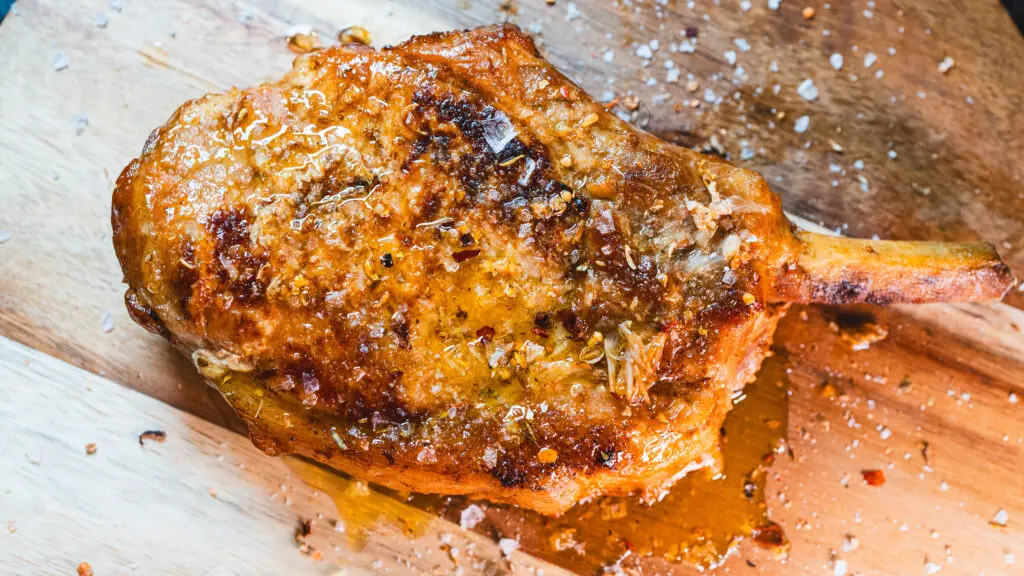
Resting doesn’t just make meat juicier. It’s the last time-out before you serve dinner.
Pulled it a bit too early? Resting helps. Cooked it a touch hot? Resting helps. Chicken feels tense and suspicious? Resting definitely helps. Knowing when you’re actually close to done helps even more, which is why when to check meat temperature can save you from second-guessing the cook.
A lot of grilling stress disappears once you realize you don’t have to serve everything the second it comes off the fire. Resting gives you a buffer. It gives you control. It gives you one last chance to breathe before the last play is called.
The One Exception People Always Ask About
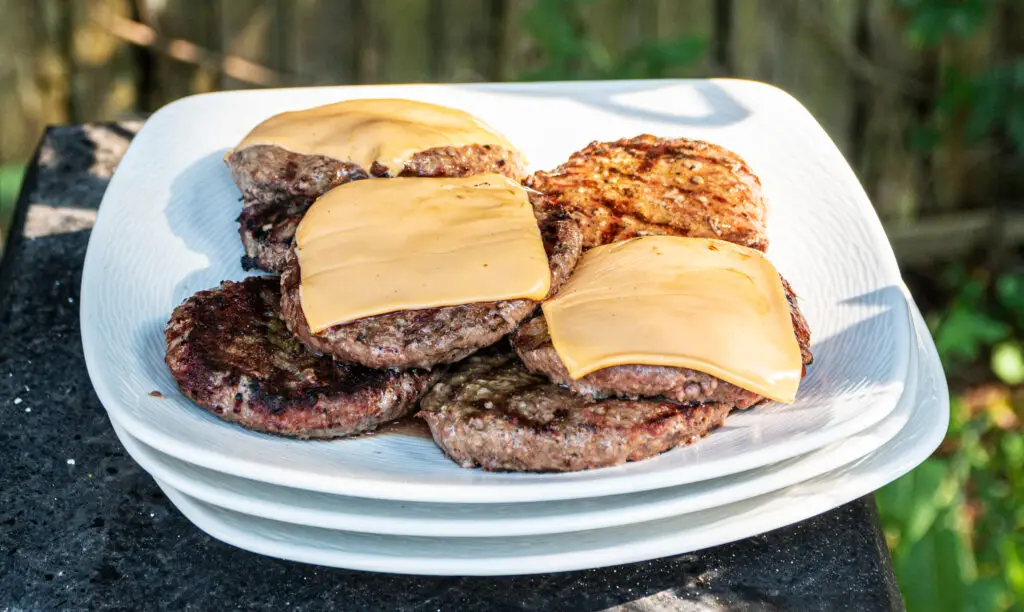
“No, really… even burgers?” Yes. Even burgers. If you’re still dialing in burger timing in general, how long to grill burgers makes that part a lot easier.
Not long. Not dramatically. Just a minute or two while you get buns ready and make sure all the condiments are on the table. That’s enough to keep the juices from ruining your sister’s new shirt when she takes that first bite.
Same grill. Same cook. Better result.
The Simple Rule to Remember
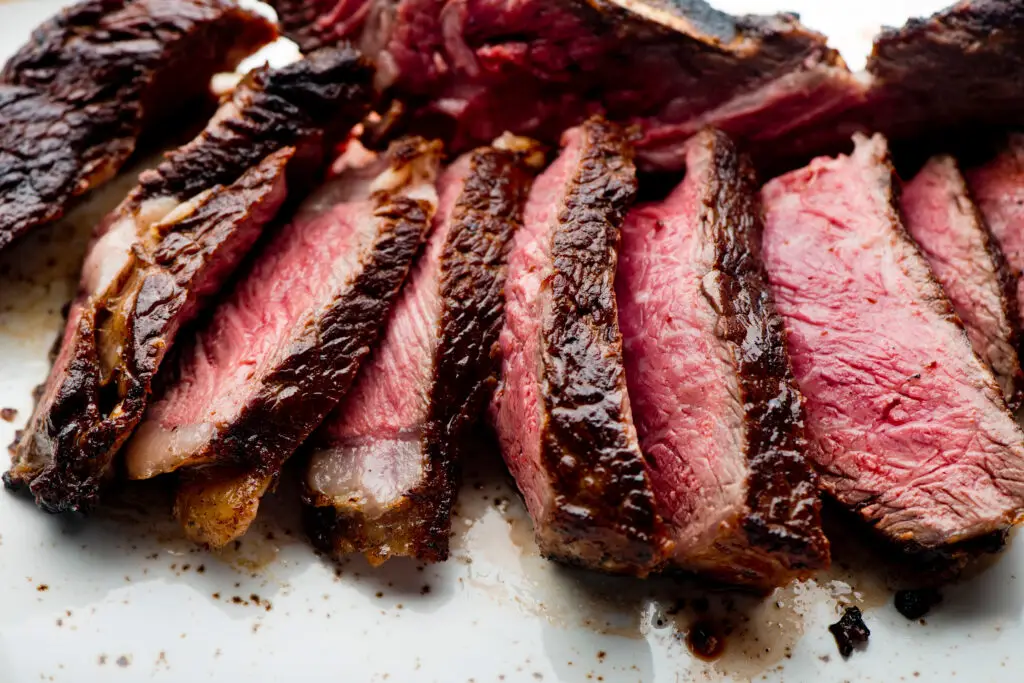
If the juice is on the cutting board, it’s not in the meat.
Let it rest.
If this feels like your kind of BBQ…
Join the BBQ Crew below for practical BBQ tips, easy recipes, and backyard ideas that work.
No spam. Just good BBQ.