
Somewhere along the way, grilling got complicated.
It started as fire plus food. Then it became a physics lesson with thermodynamics, airflow theory, brand loyalty, and a guy on YouTube telling you that if you don’t trim your brisket with surgical precision, you should probably just stay inside.
Let’s reset.
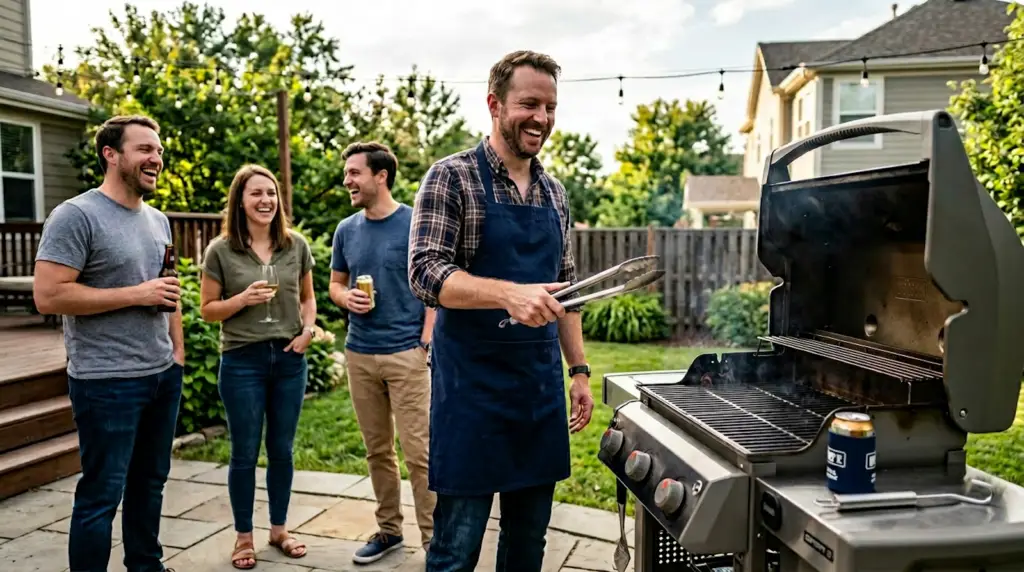
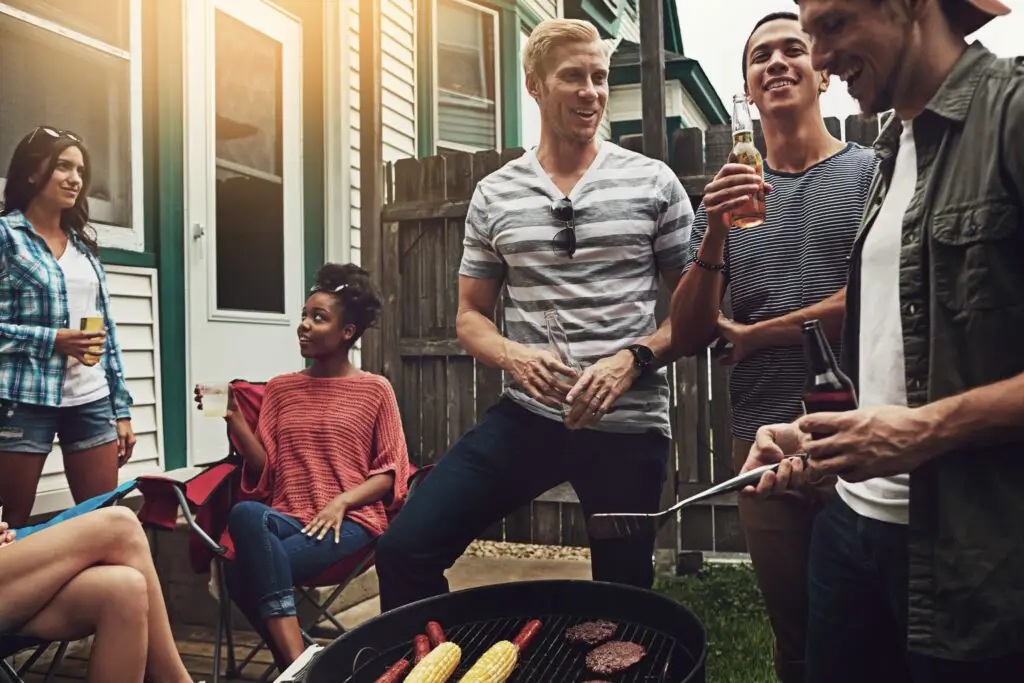
Grilling for regular people has nothing to do with impressing the internet. It has everything to do with feeding the people standing ten feet away from you, holding a drink, asking when the burgers will be ready, like they didn’t just see you put them on.
What Grilling Actually Is
At its core, a grill is just a controlled fire. That’s it. Gas, charcoal, pellets, it doesn’t matter. If you’re still deciding what actually matters between them, this breakdown of gas vs charcoal in real backyards can help. It’s a box that gets hot. Your job is to decide how hot and where.
Grilling is about paying attention. Heat goes up. Food cooks. Browning equals flavor. Time matters. Thickness matters. And walking away for twenty minutes to play a round of Giant Jenga matters more than you think.
The Only Things That Really Matter
You don’t need to be a pitmaster. You don’t need to figure out where to buy a full rack of bison ribs. All you need is to understand heat, timing, and a few basic principles.
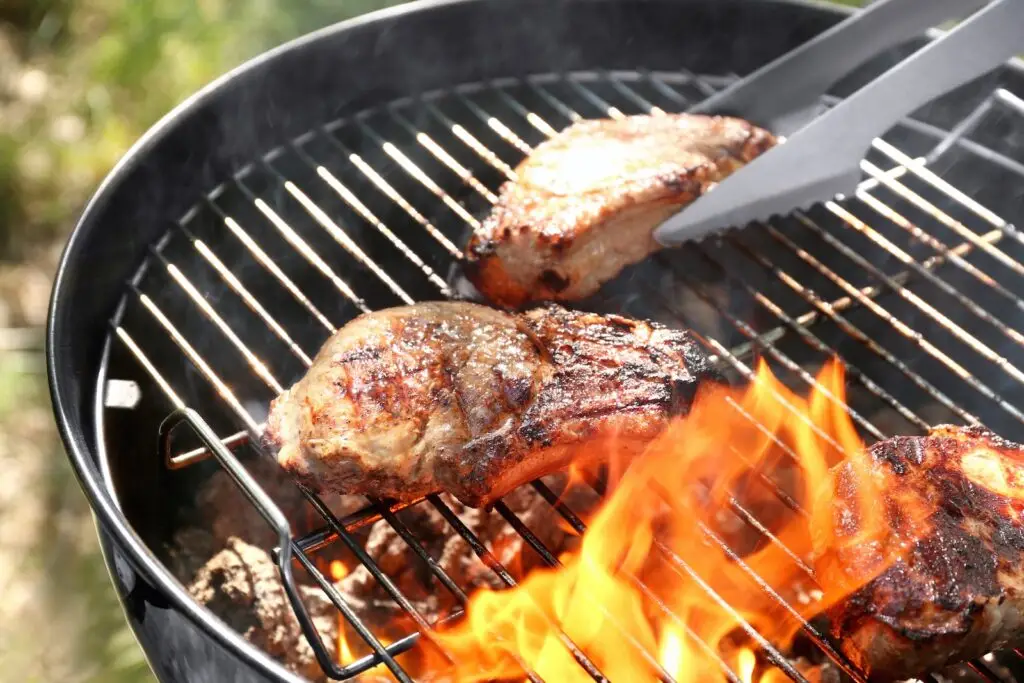
For starters, don’t cook everything on maximum heat. High heat feels productive. It looks impressive. It also turns the outside of the chicken into a charred exoskeleton while the inside whimpers, “I’m still alive…” Medium to medium-high heat handles most everyday grilling beautifully. Understanding direct vs indirect heat is what really makes this click for most beginners. If your grill looks like it’s trying to reenter the atmosphere, turn it down.
Thickness decides timing. A thin burger cooks fast. A thick burger needs patience. Bone-in chicken takes longer than boneless. A giant steak isn’t ready just because you are. Remember this: thicker food needs more time, and it will be ready when it damn well pleases.
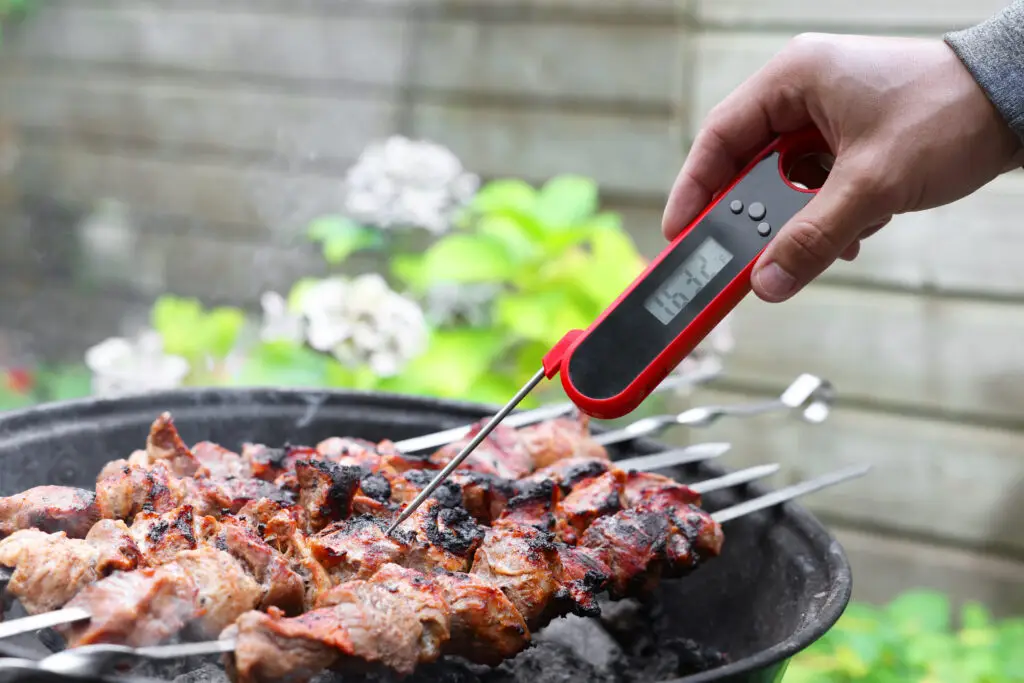
Use tools that calm you down. A meat thermometer is not a sign of weakness. If you’re unsure how often to check without turning it into a science project, here’s when to check meat temperature. It’s a shortcut to better, more consistent cooks. Chicken at 165°F is done. Burgers are safe at 160°F. Steak lands wherever you like it. When you know the number, you stop guessing. When you stop guessing, you stop overcooking out of fear.
And let’s talk about flipping, because this one makes people weirdly tense. You don’t need to flip once with ceremonial restraint. You don’t need to flip every thirty seconds, either. Let the food cook long enough to form a crust. When it releases easily from the grates, it’s ready to turn. If you flip twice, the grill police do not show up.
Flare-ups will happen. Fat hits flame. Fire gets dramatic. For a brief moment, you feel like you’re in a barbecue reality show. The solution is not panic. It’s movement. Slide the food to a calmer part of the grill. Let things settle. You are managing a small fire, not fighting a dragon. Knowing how much charcoal you actually need makes this a lot easier too.
If you’re new, start with forgiving foods. Burgers. Chicken thighs. Sausages. Vegetables tossed in oil and salt. These foods want you to succeed. They give you room to adjust. They teach you how your grill behaves on a quiet Tuesday night versus a breezy Saturday afternoon.
Because here’s something people don’t say enough: every grill has personality. Some run hot. Some run uneven. Some are a little bit all over the place, like your ex. The only way to understand yours is to cook on it consistently.
Grilling well isn’t about memorizing rules. It’s about building rhythm. Preheat the grill. Oil the grates. Put the food down. Leave it alone long enough to do its job. Adjust when needed. Stay steady.
That’s most of it.
What People Actually Care About
When you light the grill, you’re doing more than cooking. You’re creating a reason to be outside. The grill naturally becomes the center of gravity. People drift toward it. No one has a reason, they just want to stand near the fire.
Nobody remembers perfect grill marks. They remember the laughs. They remember the smell. They remember the food was good.
So keep it simple. Manage the fire. Cook to temperature. Stay steady.
You don’t need to perform. Just light the grill. People will find their way over.
If this feels like your kind of BBQ…
Join the BBQ Crew below for practical BBQ tips, easy recipes, and backyard ideas that work.
No spam. Just good BBQ.