

Congratulations! You’ve got a smoker. Maybe it’s brand new, maybe your retired neighbor dusted it off and gave it to you so you’ll shovel their driveway again next winter. Whatever the reason, consider yourself lucky. You are about to enter a whole new world. It’s exciting, it’s a bit intimidating, and you might not know just where to start.
Maybe you already ran out and grabbed a pork butt, or a brisket, or just some chicken wings. Or maybe you’re trying to figure out what to do next before your partner asks why you needed a smoker in the first place – don’t worry, they’ll come around.
One of the biggest fears with smoking meat is ruining it. Meat is damn expensive, especially when you’re buying pieces the size of a carry-on suitcase. Plus, you see all those pitmaster bros with the black gloves shredding through perfectly tender pork shoulder. That’s a huge amount of pressure.
Take a breath.
Smoking meat isn’t about mastering ancient pitmaster secrets. It’s about understanding a few simple principles, setting yourself up for success, and giving yourself permission to learn as you go. If you’re still getting comfortable with live-fire cooking in general, grilling basics for regular people is a good place to start before diving into smoking.
You don’t need to compete with Texas, Kansas City, Carolina, or Memphis. You just need to feed the people coming over later.
What Smoking Meat Actually Is (And Isn’t)
Smoking meat is just low-and-slow cooking with wood smoke.
That’s it.
You’re cooking at a lower temperature than grilling, usually between 200°F and 275°F, while letting wood smoke gently flavor the meat over time.
It’s not a competition, and it’s not a chemistry experiment. It’s also not meant to be a 12-hour wait for the cable guy to show up between “8 and 10.”
Smoking is simply controlled heat, clean smoke, and time working together. The magic comes from consistency, not perfection.
If you can hold a steady temperature and resist the urge to lift the lid every few minutes “just to check,” you’re already ahead of most first-timers.
The Best Meats to Smoke as a Beginner
Not all meats are created equal when you’re just starting out.
If you want early wins, choose forgiving cuts with enough fat to protect you from small mistakes.
Pork Shoulder (Boston Butt)
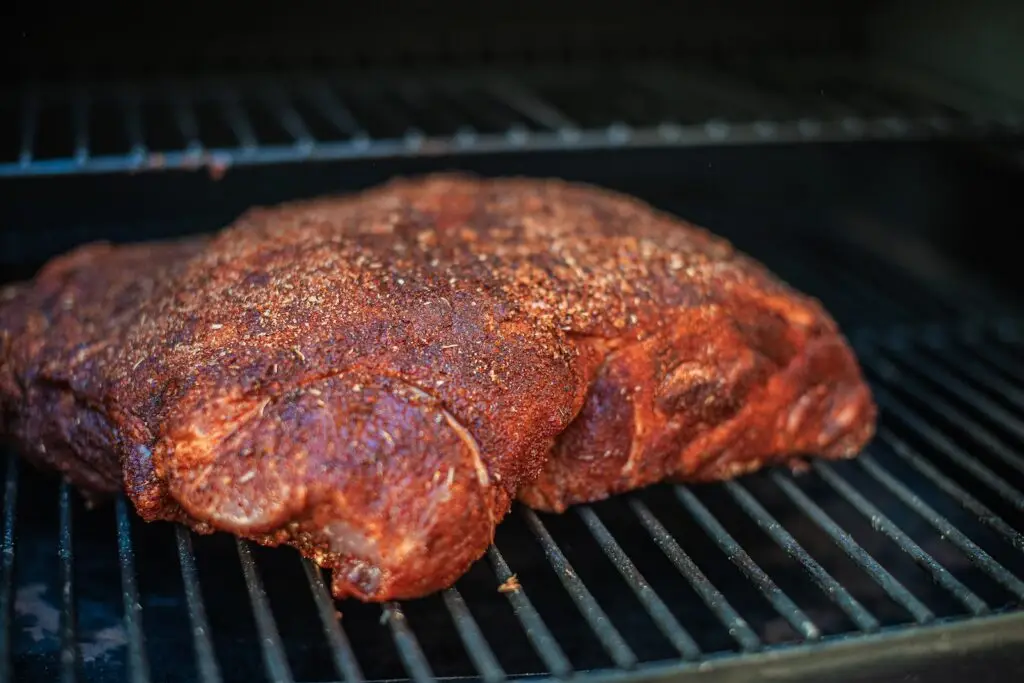
The gold standard beginner meat. It’s inexpensive, hard to ruin, and has always dreamed of becoming pulled pork when it grows up.
Chicken Thighs
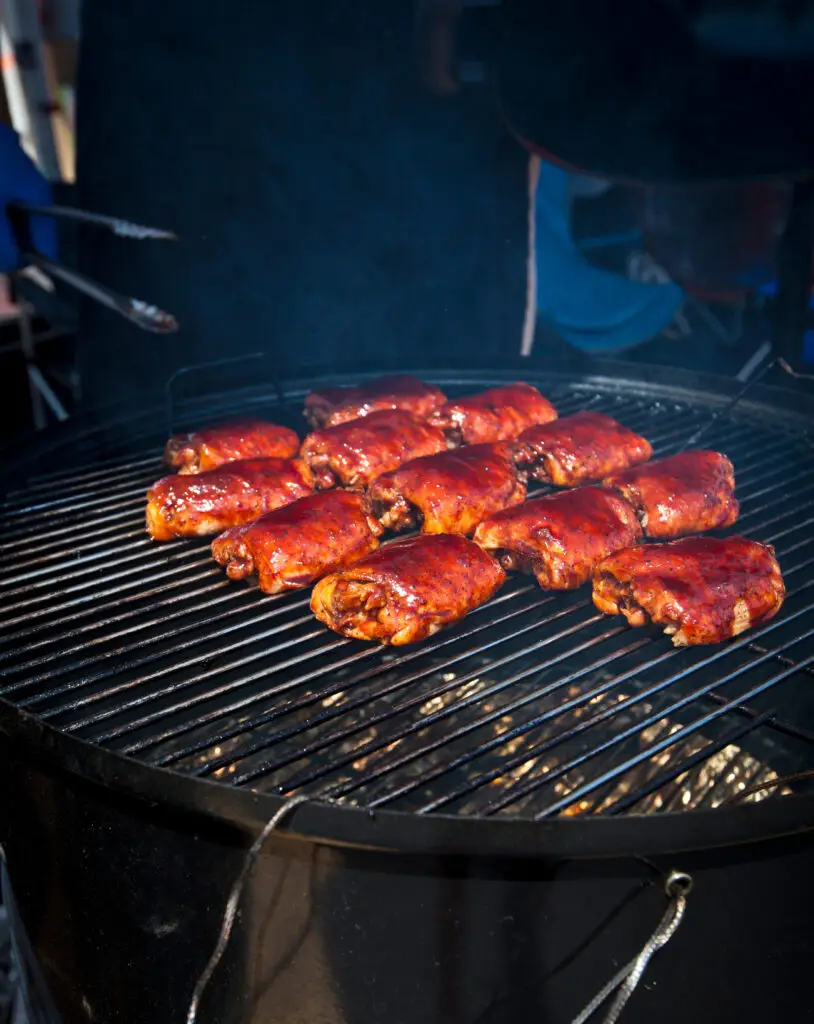
Another solid choice. They cook faster, tolerate temperature swings better than breasts, and reward you with crispy skin if you finish them right.
Baby Back Ribs
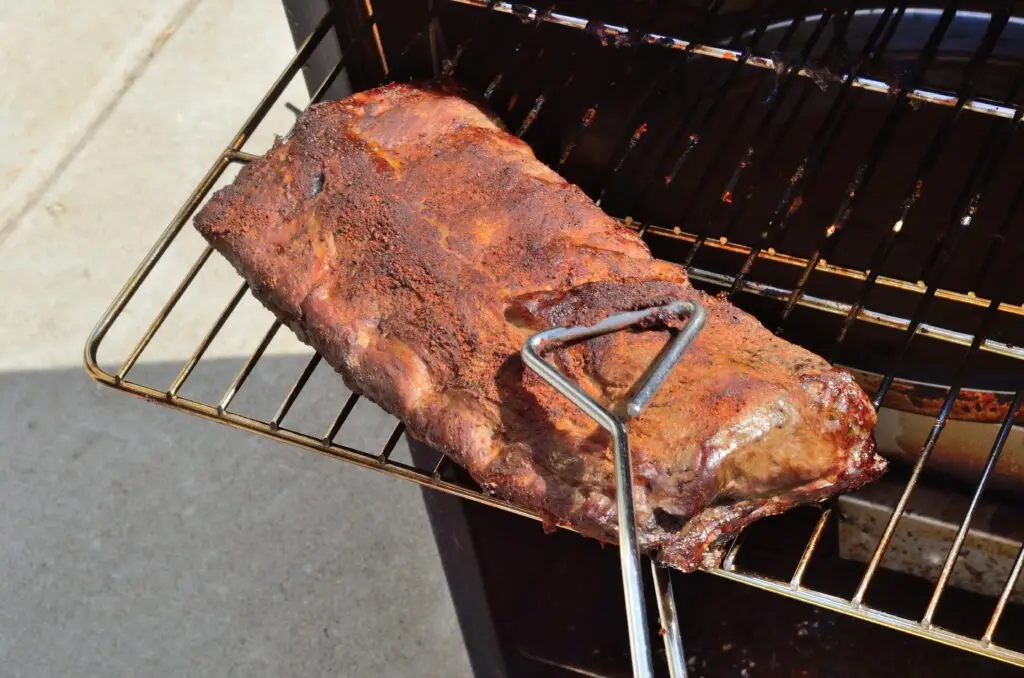
Approachable, but they do require some timing awareness and a few more steps than the others.
Brisket?
You can absolutely try it. Just know it’s less forgiving and more sensitive to temperature control. It’s a great second or third project, not your first rodeo.
Confidence builds faster when you start with meats that want to cooperate.
What You Actually Need (Not What the Internet Says You Do)
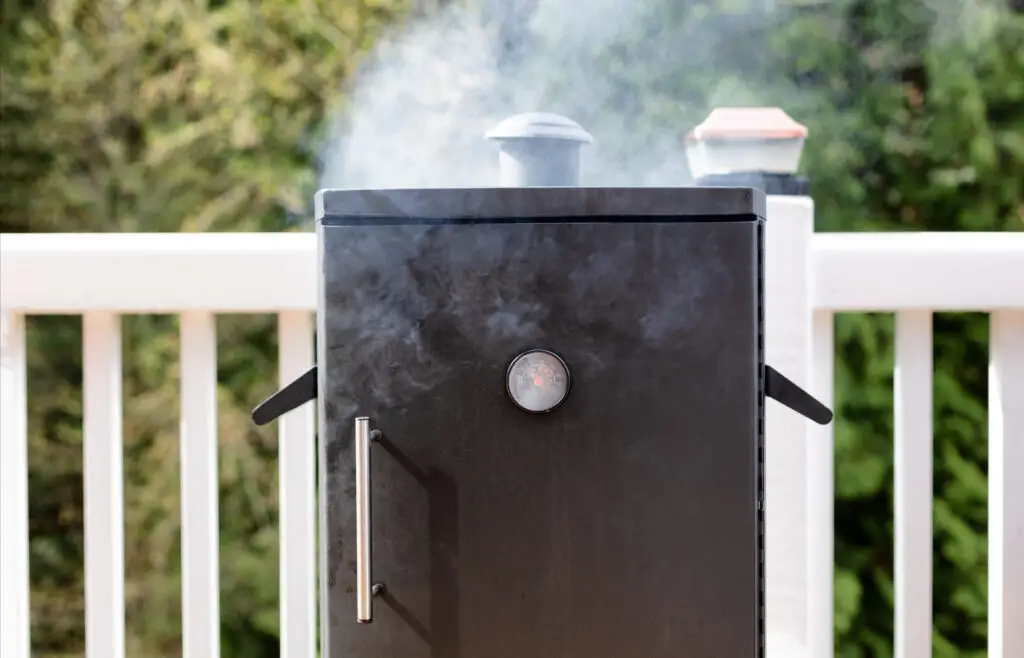
You do not need a $2,000 offset smoker hand-welded from repurposed organic oil barrels, expertly crafted by an artisan pitmaster.
You need: A smoker (electric, charcoal, pellet, or gas-assisted all work), reliable smoker and meat thermometers, wood chunks, chips, or pellets, and time. And depending on the cut of meat you choose, lots of it.
The smoker type matters less than consistency. Electric smokers are very beginner-friendly because they regulate temperature for you. Pellet smokers are similarly forgiving. Charcoal smokers require a little more hands-on adjustment but are absolutely manageable once you understand airflow. If you’re still figuring out fuel types and what makes sense for your backyard, I break that down more in gas vs charcoal: what actually makes sense for real backyards. The difference is the depth of smoke and flavor, which we’ll get into at another time.
For now, just focus on learning the process, not upgrading your backyard résumé.
Temperature Is More Important Than Smoke
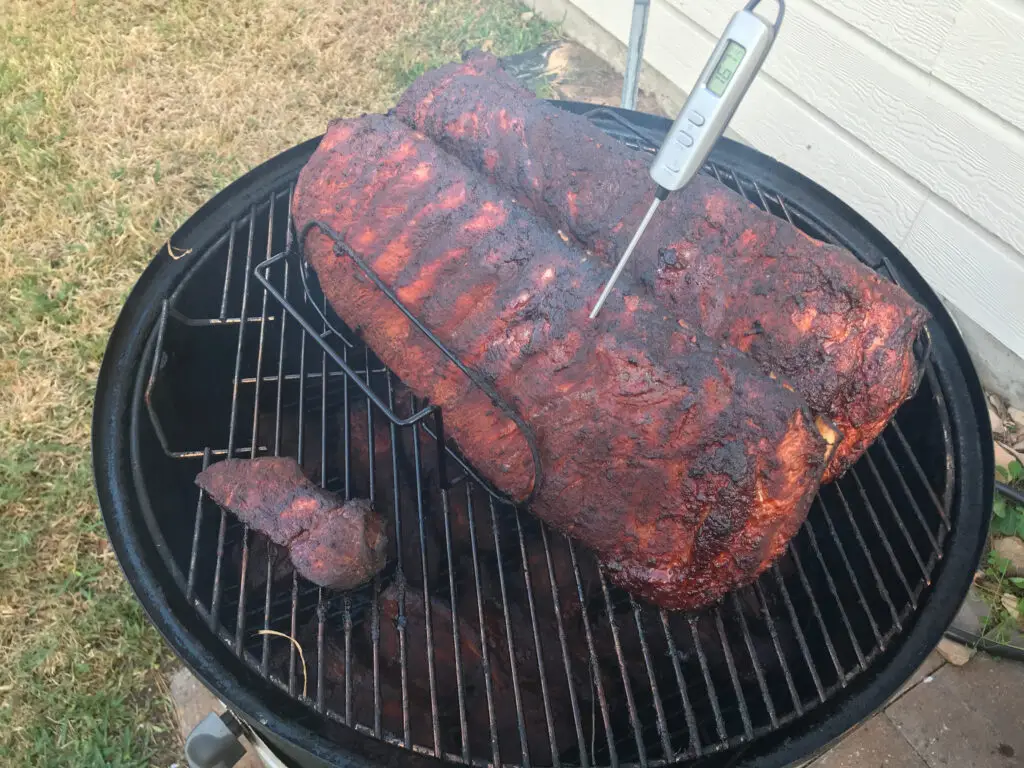
This surprises people. Beginners often focus on getting “more smoke,” like it’s 2015, and cloud chasing with your box mod vape is still cool.
In reality, steady temperature matters more than heavy smoke output.
You’re aiming for a steady cooking temperature of 200° – 275°F on your smoker for most cuts of meat. The internal meat temperature will vary based on what you’re smoking.
The important thing to remember is: Your smoker temperature tells you how hot your smoker is. Your meat thermometer tells you when the meat is actually done.
Here are a few reference points:
- Pulled Pork: 190°-205° (Sweet spot 203°)
- Chicken: 165° (Always)
- Baby Back Ribs 195°-205° (Nice and tender)
- Salmon 145° (Flaky)
- Brisket 204° (Trust me, it’s worth the wait)
Always trust the internal temperature over the clock. Time is a guideline. Temperature is the truth.
Clean Smoke vs. Dirty Smoke
Here’s something simple that makes a bigger difference than most people expect.
You’re not trying to create a dramatic cloud of smoke visible from a weather satellite. You’re looking for thin, light blue smoke. Sometimes so faint you almost question whether it’s there. That’s clean smoke. It smells pleasant and slightly sweet.
Thick, white, billowing smoke is a different story. That’s dirty smoke, and it can leave your meat tasting bitter or harsh instead of rich and balanced.
If you see heavy smoke rolling out, it usually means your wood isn’t fully combusting, or your airflow is restricted. Open the vents slightly. Let the fire breathe. Give it a few minutes to settle in.
Smoking meat isn’t about producing as much smoke as possible. It’s about producing good, quality smoke.
Subtlety always wins here.
The First Cook: A Simple Beginner Plan
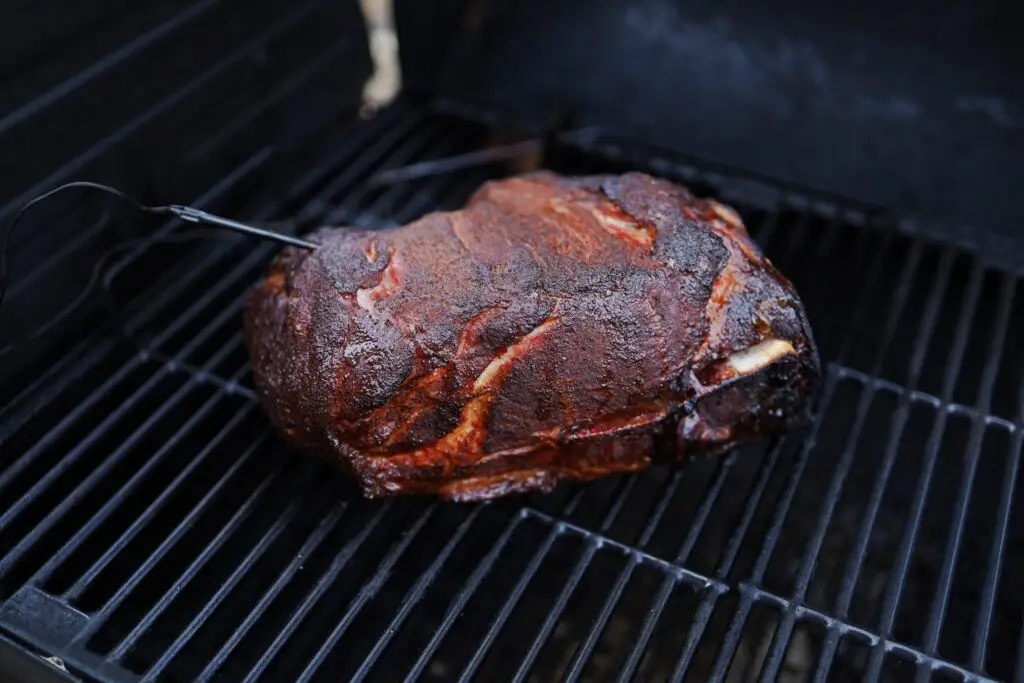
Let’s say you’re smoking a pork shoulder.
Set your smoker to about 250°F. Nothing fancy. Steady and calm. While it comes up to temp, season the pork generously with a simple rub, salt, pepper, smoked paprika, maybe a little brown sugar if you like a touch of sweetness. Let it sit for about an hour. You don’t need a cabinet full of spices. Pork shoulder is tasty on its own.
Place it in the smoker fat-side up, close the lid, and let the smoker do its job.
Now comes the part most beginners struggle with:
Leave. It. Alone.
Check the smoker temperature occasionally, but resist the urge to lift the lid to check on it every twenty minutes. Every peek lets heat escape and stretches the cook longer than it needs to be.
Trust the process. Here’s where you use the clock as a GUIDE. It will take about 1.5-2 hours per pound at a consistent 250°F. Check the internal temperature once at the low end of this.
Somewhere around 160°–170°F internal, you’ll likely hit what’s called the stall. The temperature won’t budge. You’ll stare at your thermometer in disbelief and tap it like it’s broken. It’s not. This is normal. Moisture evaporating from the surface cools the meat temporarily, almost like it’s sweating.
At that point, you have two perfectly acceptable options. You can wait it out and let the stall resolve naturally, or wrap the pork in foil or butcher paper to help it push through faster. If you choose to wrap it, take it off the smoker (and close the lid to preserve heat), then place it on the foil or butcher paper. Fold over the sides, and roll it up like a giant burrito. Be sure to use heat-resistant gloves.
Return it to the smoker and let it continue cooking.
Patience or convenience. Both work. You’re not cheating. You’re making a choice.
When the internal temperature reaches somewhere between 195° and 205°F and a probe slides in with very little resistance, it’s ready. Not because the clock says so. Because the meat says so.
Pull it off and let it rest for at least 30 to 60 minutes. That rest isn’t optional. It allows the juices to redistribute so they stay in the meat instead of running across your cutting board like you just lost an argument.
Small temperature swings during the cook? Normal.
Finished earlier than expected? Wrap it in towels and rest it in a cooler; it will hold beautifully.
Running late? You’ll learn to build buffer time next round.
This is outdoor cooking. It breathes. So should you.
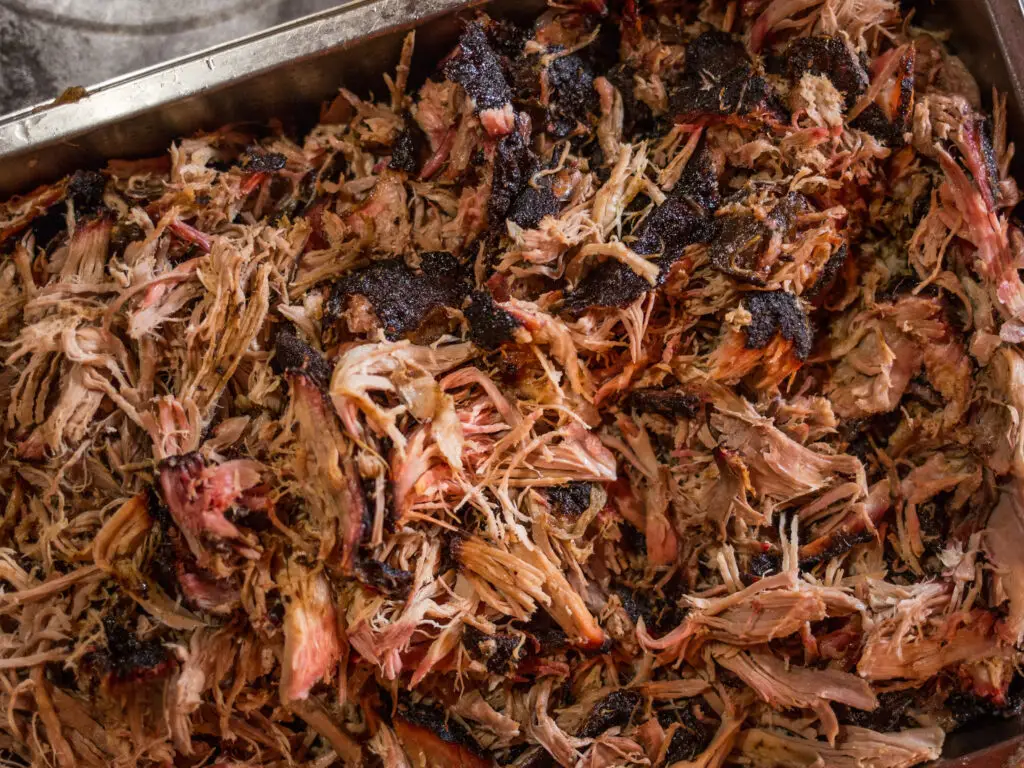
After the rest, shred it using forks, bear claws, or gloved hands. The sweet, tender meat will be your reward. Add sauce if you must, but seriously, try the meat first. You won’t regret it.
How to Think About Wood as a Beginner
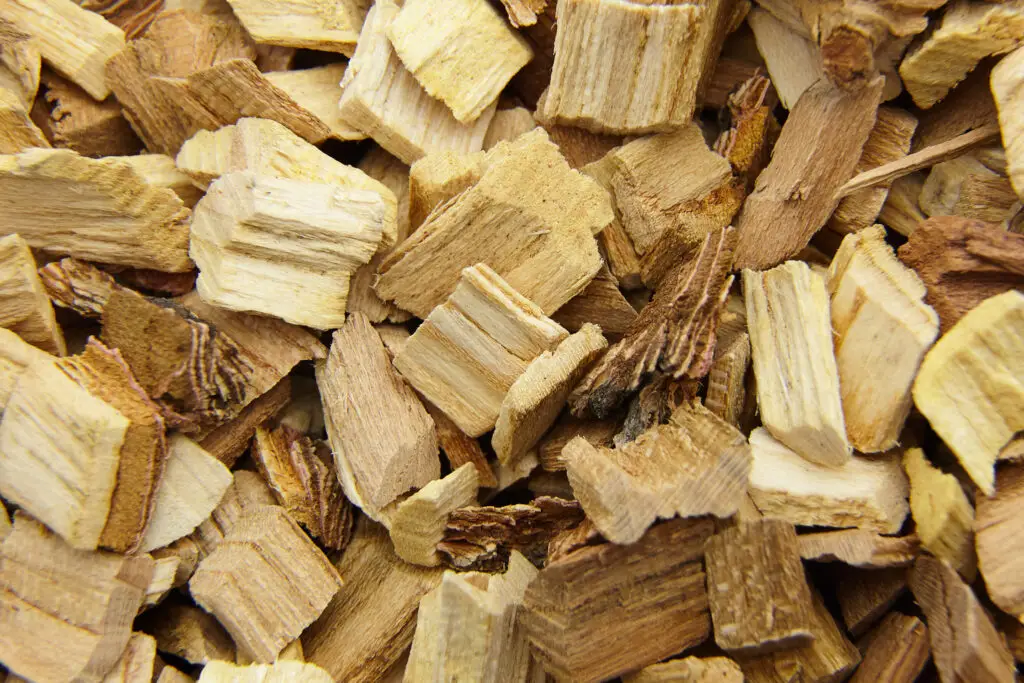
Don’t overcomplicate the wood choice.
If you’re just starting out, stick with milder woods like apple, cherry, or pecan. They’re forgiving, slightly sweet, and they add flavor without overpowering everything else going on. They support the meat instead of trying to dominate it.
Hickory is stronger and very popular, especially for pork, but it carries more punch. Mesquite is bolder still and can turn from “wow” to “whoa” pretty quickly if you’re not careful.
As a beginner, think in terms of light flavor enhancement, not “campfire inside your mouth.” You’re layering flavor, not trying to smoke out the neighborhood or announce your barbecue to three zip codes over.
Subtlety wins again.
Why Smoking Feels Intimidating (And Why It Shouldn’t)
Smoking meat takes longer than grilling, and that extra time can create space for overthinking. When something sits in a smoker for eight or ten hours (or more), your brain has plenty of opportunity to wander. You start Googling mid-cook. You compare your bark to photos online. You convince yourself that the temperature stall is a personal failure.
Take a breath.
The reality is much better than your search history suggests. Meat cooked slowly at a steady heat with reasonable seasoning is rarely a disaster. It may not be flawless. It may not look like something sliced under bright competition lights. But it will almost always be good.
And more importantly, the people in your backyard won’t be grading the bark. They’ll remember the smell drifting across the yard, the slow build of anticipation, and the moment you finally pulled that pork apart and handed them a plate.
Your First Smoking Win
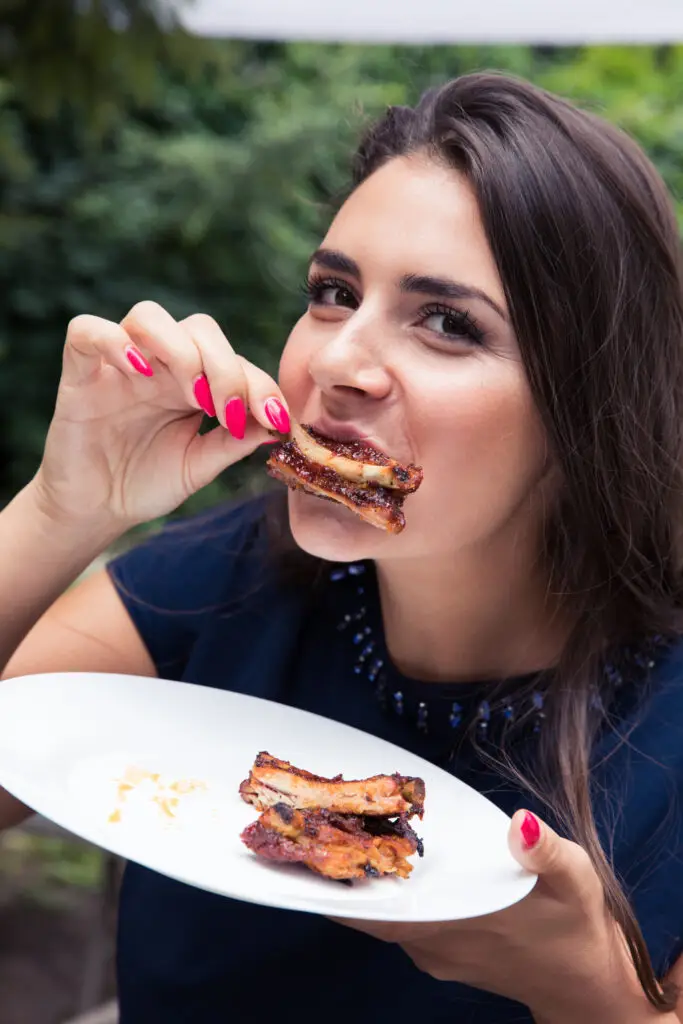
Don’t aim for legendary your first time out. Aim for edible and shared.
Invite a few friends or family over, the kind of people who are more interested in being together than critiquing bark texture. Start earlier than you think you need to. Keep the drinks simple. Give yourself margin. Smoking rewards patience, and patience is easier when you’re not racing the clock.
Smoking meat isn’t about impressing anyone. It’s about discovering you can stay steady for six or eight hours straight without spiraling every time the thermometer moves.
When you manage that, something shifts. The smoker stops feeling mysterious. The fire stops feeling intimidating. It just becomes another tool you know how to use.
And once that happens, you stop asking, “Can I do this?”
And just start planning the next barbecue.
If this feels like your kind of BBQ…
Join the BBQ Crew below for practical BBQ tips, easy recipes, and backyard ideas that work.
No spam. Just good BBQ.